
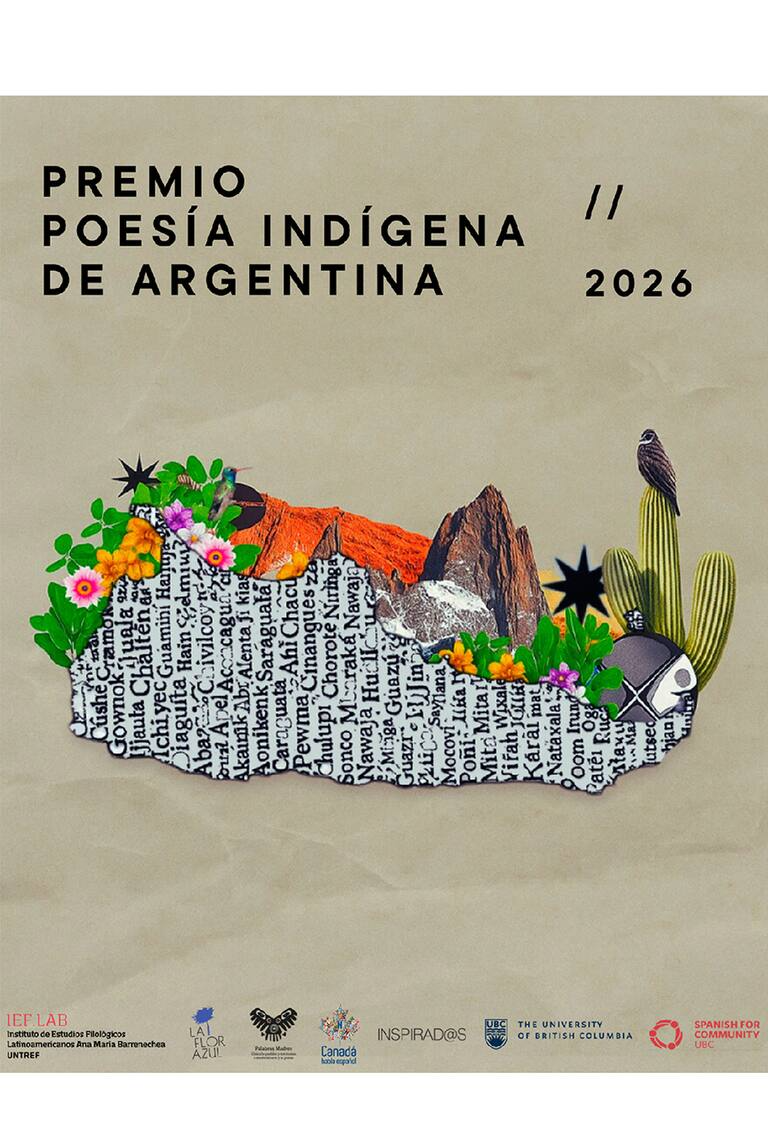
2026 Argentinian Indigenous Poetry Prize
Original poetry in Spanish and Wichí © Camilo Ballena
Introduction and selection © Violeta Percia y Diego Antico
Translation from Spanish © Lorrie Jayne and Juan G. Sánchez Martínez
IF YOU PREFER TO READ AS PDF, CLICK HERE
Camilo Ballena lives in Sip’ohi (El Sauzalito), Chaco Province, Argentina. He was raised in a community where the Wichí language and ancestral traditions formed an essential part of daily life, and the Wichí elders taught values of respect, work, and balance with nature. Camilo is a researcher of the Wichí language and a bilingual educator. In 2012, he founded the Wichi Lhomet publishing house: a collective whose purpose is to promote Wichi authors, musicians and illustrators. The project also produces educational materials. Camilo has contributed to the development of an intercultural Wichí pedagogy that is based on the principles of “hacer juntos” / Tonufweshu (“doing it together.”) Camilo Ballena is a poet, musician, and singer-songwriter whose compositions can be heard on three albums such as “Sip’ohi” and “Matojh.”
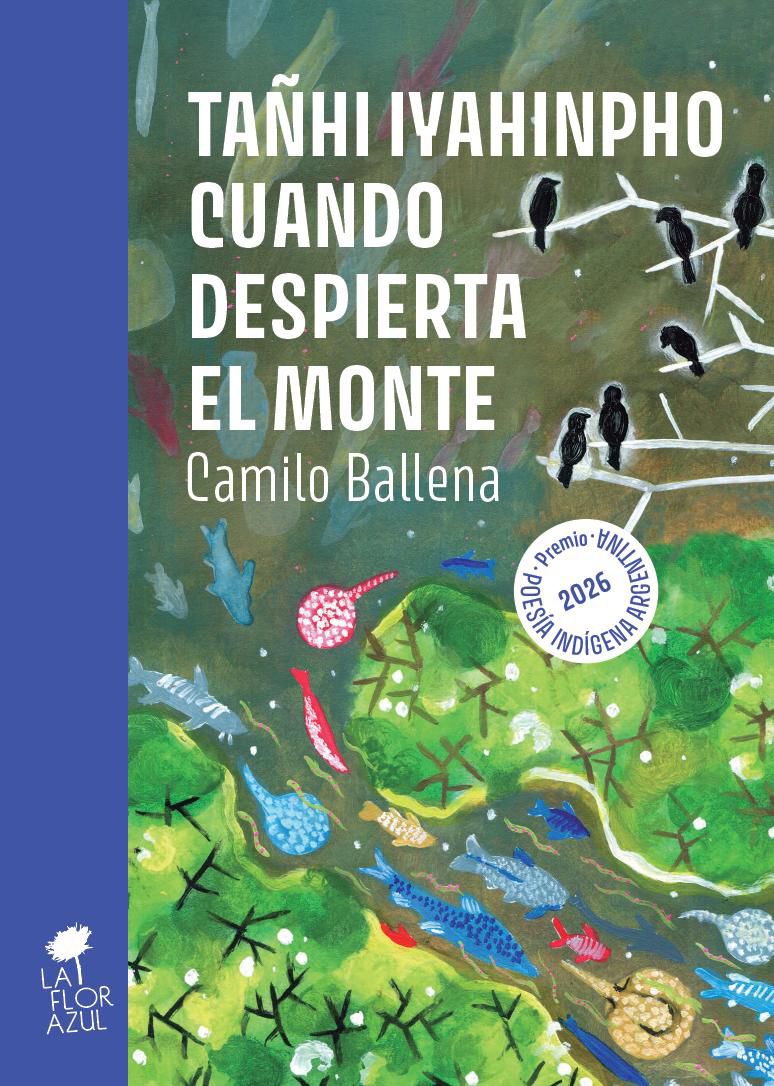
The following poems come from the bi-lingual edition (Wichí-Spanish) of Tañhi iyahinpho / Cuando despierta el monte (“When the Forest Awakens.”) This book is the winner of Argentina’s first Indigenous Poetry Prize, 2026.
In order to make way for the Wichí vision, Tañhi iyahinpho / Cuando despierta el monte questions the vision about the forest by the Western mixed-raced [Latin American]. The poet begins with the question, “Hat’ehap n’wuye tojh n’yomey tañhi, tojhmhe nintowflayej? / How do I speak the forest to someone who has never traversed it?” He then sets upon this task, undertaking a poetic response-translation. To write poetry in two tongues, in both the Wichí and Spanish languages, is a work that surpasses episteme-phylosophical translation. As Camilo Ballena puts it, “Words which are linked to the forest, the spirits, the natural cycles and emotions, have more ample meanings than the ones conveyed in Spanish.” Respect for intercultural diversity and the rights of the people should begin in these translations. Therefore, the poet assumes the necessity of giving voice and making heard the memory of the forest, which is to listen to what the forest is saying in the Wichí language. With feet on the ground, the experience of inhabiting the territories in a new way opens the possibility of traversing the path between two languages. Everything that is buried in the forest, in the shadows and swirls, knows the sensitive worlds that converse, that ask for respect and offer reciprocity. This collection of poems centers around life in the forest, where it is understood that no one is alone and “every root is an ancient relative.” This is not a merely metaphorical or figurative expression, but one that conveys a different consciousness of life within (and with) a forest, a consciousness that not only pulsates, but also speaks and thinks throughout the generations. The forest is the guardian life, protector of the life of women and men. If that life withdraws or extinguishes, humans are left without a destiny. To speak the Gran Chaco forest in the Wichí languages is to understand and make heard the forms of future life.
This collection of poems arrives in an era when forests and ecosystems are increasingly threatened due to the deepening model of extractivism and privatization of the Earth, a model which worsens environmental injustice while endangering and suffocating life in the communities. Tañhi iyahinpho / When the Forest Awakens beckons us, “in the coming and going between languages,” to think about other possible worlds, to open a different sensibility regarding occupation of the territories and, in doing so, to produce, through poetic imagination, another subjectivity.
TAÑHI WEHEY
TAÑHI LHELE
HOPE TOJH HULU I’PE T’OJH
WIT ILOTCHE LAFWELTSI
HOPE ELH TOJH PAJHCHE KAMAJH
ICHEFWEN
LHAWLHACHE TOJH YIK
IHI TOJH IHI MAK TOJH ICHE
T’IYALH
WIT TOJHMHE LHAY’AJHPHO
HAL’OY T’ISAN INOMETPHO LACHUWEJ
HOPE MAK TOJH HOTEHEN HAN’ONHI
LAPAK TEMCHE HAL’OY KAHEPELH
TAÑHI LHELE
LAT’UTLE TIPOTSINPE
TOIHONA OLETSJH TS’ILEY
TAK’EFWIPE WIT T’ESEY
TEMLO MAK TOJH ICHE
TEJCHE OYTAJH MAK TOJH TEMEJ
TAÑHI LHELE
TAMENEJ TONTICHENCHE MAK TOJH ILOY
MOLHYEJ INWOK
MOLHYEJ INOT
MOLHYEJ HEPEL
MOLHYEJ MAK TOJH TONTIKNA
↳ LISTEN TO THE POET READING IN THE WICHÍ LANGUAGE
TO BELONG TO THE FOREST
To belong to the forest
is to carry the trail’s dust upon your skin
and to feel that every root
is an old kin who still teaches you.
It is to walk slowly,
for here, time does not race
but breathes.
And in each gasp,
the spirit of the trees speaks—
the invisible guardians,
the voices dwelling in the cool shade.
To belong to the forest
is to have a heart woven
from chaguar fibers—
firm yet flexible,
capable of sustaining life
even when it’s painful.
To belong to the forest
is to remember that everything is alive:
air,
water,
darkness,
dreams.
HAWESIFWAS
THA ICHOJHLHAMCHE LAKHAJHÑHAYAJH
HOTE TOTTEY HIW’ENHI
TOJH ILOTA HOPE TOJHMHE LHAJH LATESA.
LHAMIL T’EYA MAK TOJH TOKNIT’EYAYA
Y’ITPE TOJH INATHAJH HAL’OWULEY
FWENCHEY INEKWEPHO TOJH LHAM N’OLA
MAK HANA ITSEPYENCHE TOW’ATSHANCHEYAJH
.
ICHEKFWI HEPELH TOJH IS
HAL’OY TOJH WEWFPE
INWOK HAPITSAJHICHE WIT HAT’ENHICHE
TEJCHE NIPITAJHA TOJH N’OLA
NICHOTLO INWOKMHE TOLHCHE TAÑHI
MATTOJH TAKHAJHAY
W’ENHI LHAMEJ PELHAYMHE.
TOWEHEY TOJH LALEMSAS
LHAMIL LACHEFWENYAJH
HIN’OLTEJ LATETNHAY
ICHE TOJH IHI NOTMHE
WIT HAN’ONHICHE LAN’OYIJ
THA IWU CHUWESHA
TUK HOPE NILOWKYALHI
T’EYA TOJH T’IWINLHI
TOJHMHE TACH’AWHIYA
LHICHEFWENEJ MAK TOJH ICHE
TUK HOPE HIP’ETHAT
ISTAKEJ LAN’OYIJ
TOJH IYEJ T’ISAN
WIT LHOY’A LACHUWEJ
LITTLE GUARDIANS MASTERS
Inadvertently
Invisible
They carry an ancient nobility
that is heard with the heart.
They take care of all the world forgets.
The brilliance of dawn on the leaves
presence of the wakening birds
balance that sustains all
lives.
They inhabit soft tree-filled
shadows, thick with leaves
the unheard of glance of the wind.
Light
like a breeze
their spirit is stronger
than any storm.
Tiny grand noblefolk
who teach without words
speak with signs
with movements of water
with subtle steps.
To respect them is to walk protected.
To listen to them is to learn the language of the world.
To forget them, is to lose the way
that unites body
and soul.
INWOK TOJH TOT’IÑNHUPWU
INWOK TOJH YISTHU TAÑHI
ICHOJHLHAMCHE TOWEHEY LHAÑHI
LHOMTES TOJH NIN’OLACHE
TOJH IYEJ, THONHOY HAN’ONHIYA
AHOPE TOLHOMTES, T’ISAN NIN’OLA
APOSET, ACHUS PITSAJHCHE
TOIHANEJ, HAN’ONHI THA LAHESEK IYEJ
TOLHAMIL TOJH INAMEJ
MESSENGER WIND
Wind that passes through the forest
messenger of deities
you bring rumors of the invisible
the secrets of the ancients.
Word without reflection.
Song and whistle.
The invisible remembers
its covenants with us.
PELE TATELHUY
KATETSEL HOTEWUYE TOTTELHUY
ITETSHAN TO’ELH N’OYIJ TOJH HUNATSI
HOTE WICHI ITETSHAN
NITOWFLESHEJ TOJH ISI
ELH TOJH LHUKWE P’ANTE
W’ENTUK HITS’ILAK LHAMEJ
PELEL’IÑNI ITSUK NILHUKEJ LAHANYAJH
THE EYES OF THE SKY
Awake
the stars are eyes
they watch the steps of humans at night.
Wichí people lift their gaze
and recognize in their glow
the presence of those who came before.
No one is alone–
the sky holds our memory.
FOR MORE ABOUT CAMILO BALLENA AND THE WICHÍ LANGUAGE
- “Looking after language”, Conicet, 2015.
- Listen to Los de SIP’OHI, author’s music band in wichí
FOR MORE ABOUT THE GUEST EDITORS
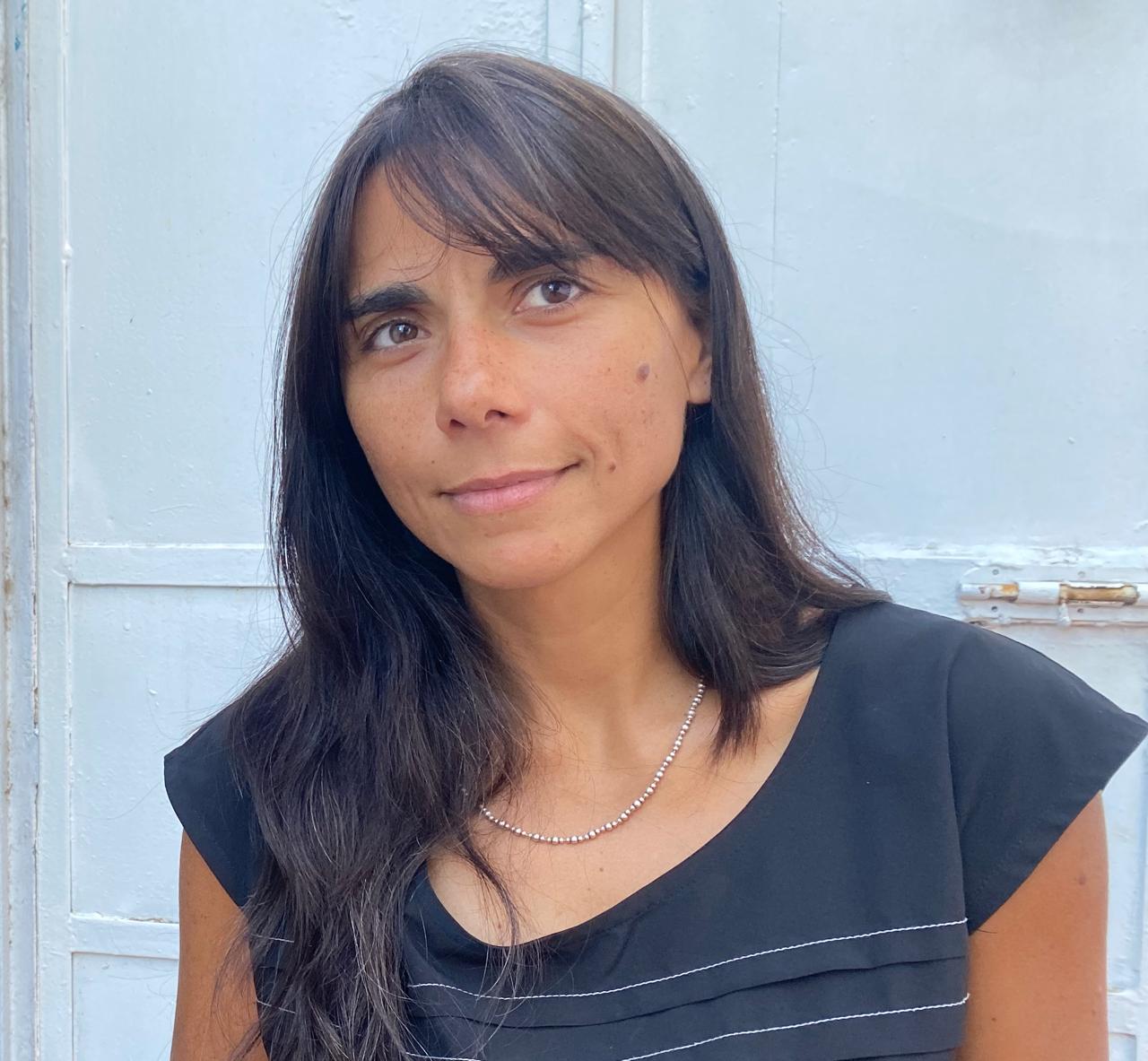
Violeta Percia is a poet, writer, and audiovisual filmmaker. She holds a PhD in Literature from the University of Buenos Aires. She studied film at the International Film and Television School in San Antonio de los Baños, Cuba. She is a professor at the University of Buenos Aires, and the National University of Tres de Febrero. She was a member of the collective that produced the literary podcast Sin pedir permiso: poéticas de Wallmapu (“Without Asking Permission: Wallmapu Poetics”). She is the organizer and curator for the Indigenous Film Festival of Buenos Aires, “From Wallmapu to Nunatsiavut.” She has published the poetry collections Clínica enferma (2003) y Poesía del Tanti Rao (2019), as well as the novel Como nubes (2021). She has also edited and translated several books, including Traducir poesía: mapa rítmico, partitura y plataforma flotante (2014).

Diego Antico is a musician, educator, and holds a degree in Literature from the University of Buenos Aires–UBA. He currently works as a researcher, curator, and cultural manager at the Centro de Estudios sobre Pueblos Originarios at the Mariano Moreno National Library. In 2024, he created and organized the La palabra indígena sessions at the Buenos Aires International Book Fair. In 2025, he co-created and coordinated—alongside Violeta Percia—the Indigenous Poetry Prize of Argentina, with the support of National University Tres de Febrero–UNTREF.
Original poetry in Spanish and Wichí © Camilo Ballena – Siwar Mayu, October 2026
Introduction and selection © Violeta Percia y Diego Antico
Translation from Spanish © Lorrie Jayne and Juan G. Sánchez Martínez
 Hosted by UNC Asheville and the Diversity Action Council